
Online design marketplace 1stDibs has released its 2026 Interior Design Trends Report.
The company’s ninth annual report reveals that, against the backdrop of tariffs, there is a growing desire for eccentric designs alongside a renewed appetite for vintage and antiques. According to the survey, chocolate brown is the color of the year, while the most requested aesthetics are now maximalism and eclecticism, with increases of 39 percent and 38 percent, respectively.
“With each annual edition of our Designer Trends Survey, we get far more than just a snapshot of evolving aesthetics or popular styles,” said Anthony Barzilay Freund, editorial director at 1stDibs, in a statement.
“We can see deeply into the cultural and creative undercurrents influencing design choices around the world,” Mr. Freund said. “Through the insights of our global network of designers, we’re able not only to explore what trends are emerging but to uncover the motivations, values and societal shifts that are shaping them.
“This year's survey results also highlight a fascinating contrast: Designers are embracing the future by beginning to adopt AI tools for efficiency while also looking back to vintage and antique furniture for inspiration and quality craftsmanship.”
The report is based on a survey commissioned by 1stDibs and conducted by American research consultancy Surveys & Forecasts, LLC, which surveyed a total of 468 global design professionals between July and August 2025. All of the survey participants are members of the 1stDibs Trade 1st Program.
Vintage finds While chocolate brown reigns supreme at 33 percent, designers are leaning towards a darker, moodier color palette with rich purples and greens gaining prominence. For example, burgundy has increased from 7 percent in 2025 to 21 percent in 2026.
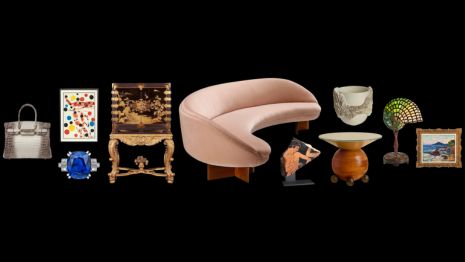
Amidst these somber hues, pastels are gaining in popularity, led by butter yellow and followed by pale blue, pink and mint.
Customization appears to be losing favor as vintage pieces gain in popularity, with a total of 85 designers sourcing items made from the 1920s to 2000. Designers are also hunting for antiques made before the 1920s, from 56 percent in 2024 to 63 percent in 2026.
Over 40 percent of designers cite curvy, irregular forms as a trend in furniture design for the upcoming year. Wicker and rattan maintain popularity at 27 percent, while color-drenched and wallpapered ceilings were named by 35 percent of designers, followed closely by upholstered walls at 30 percent.
In terms of lighting, 28 percent of designers cited Murano-glass pendants as the number one trend. Vintage lamps gaining in traction include the Venini-style Mushroom lamp and the Louis Poulsen PH Artichoke lamp.
Survey respondents expect that designers such as Ingo Maurer Lampampe and &Tradition Flowerpot will be top of mind, while pieces such as the Afra & Tobia Scarpa’s Soriana seating and the de Sede DS-600 Snake sofa will be desirable items in homes.
Bigger picture trends The rooms gaining the most traction are living rooms and kitchens; these were the most-requested spaces in 2025 at 63 percent and 52 percent. Designers report that clients are prioritizing everyday spaces while incorporating wellness into spaces.
This speaks to a broader trend in the design space as seen in fixtures maker Kohler’s expansion into the health and wellness sector with the launch of Kohler Health (see story) and a new indoor and outdoor sauna line for home (see story).
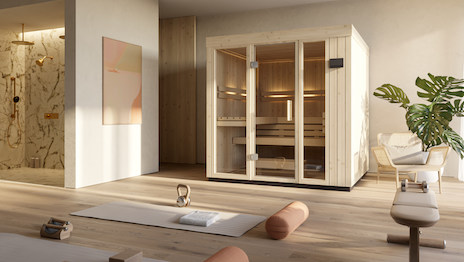
The survey reported that when designers were asked by clients for “bonus rooms,” they were most likely to report second kitchens at 56 percent, mudrooms at 44 percent, outdoor kitchens at 43 percent and home libraries at 34 percent. The latter speaks to a growing shift within the affluent class to value wisdom and personal achievement (see story).
Over 90 percent of designers are seeing a negative impact on their business as a result of the global tariffs. As a result, international purchases have declined to 28 percent versus 32 percent in 2024, while domestic purchases have increased by 72 percent.
Just as the fashion industry is looking to incorporate generative AI into its business practices (see story), 20 percent of designers are looking to do so in 2026. Yet, 24 percent of designers are against the use of AI.
Overall, the use of AI tools by designers has increased to 29 percent in 2025 from 9 percent in 2023.
This article originally appeared on LuxuryDaily.com. Luxury Portfolio is pleased to bring you the latest trends and insider takes through our exclusive partnership with the go-to destination for luxury news. Subscribe today.